Boys GAMES

Granny Remake Horror
Miss Granny Remake

Poppy Playtime Chapter 6
Granny Remake 2025
Girls GAMES
Baldi’s Basics

Granny 2 Remake

Eyes The Horror Game
Granny 4



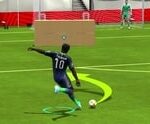
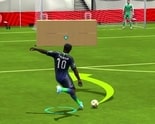
What happens when you finally line up a clean shot in FIFA Soccer and the goalkeeper still gets a hand to it? That mix of timing, angle, and a little bit of luck is basically the whole game in miniature — a straightforward arcade soccer game built for short matches, where you pick a side, get a handful of minutes on the clock, and try to put more shots past the keeper than the opponent does.
| Genre | Arcade Sports |
| Core Mechanic | Passing, shooting, and tackling on a compressed clock |
| Match Format | Short, single-sitting matches |
| Controls | Directional movement with pass and shoot buttons |
The core loop is simple to describe and harder to execute cleanly: move the ball forward, find a passing lane before a defender closes it, and time your shot so the power meter doesn’t overshoot the target. Beginners tend to hammer the shoot button the moment they’re inside the box, and the game punishes that immediately — shots fired without setting up an angle first mostly end up in the goalkeeper’s hands rather than the net.
What separates a decent run from a frustrating one is patience during the build-up. Holding possession for a few extra passes and only shooting once there’s a real gap works far better than rushing every attack. That’s also where the game rewards players who watch the goalkeeper’s positioning — a keeper cheating toward one post leaves the other side open for a beat, and that beat is usually all you get.
Defense follows the same logic in reverse. Mistimed tackles hand possession straight back to the opponent right in front of your own goal, and that’s the single most common way a controlled match slips away.
Because matches here run short rather than mirroring a full ninety minutes, momentum swings fast. A single unmarked run down the wing can decide the outcome, and there’s rarely enough time to fully recover from an early mistake the way a longer match would allow. That compressed pace is exactly why some players find FIFA Soccer more tense than a longer, more tactical sim — every possession matters immediately, not eventually.
It also rewards a certain kind of player more than others: those who like quick, direct attacks tend to fare better than players building slow, patient possession. Both approaches can work, but the clock punishes hesitation far more here than in a full-length match.
None of this is polished the way licensed sports titles are. Players who come in expecting real club branding or named rosters are usually the ones who bounce off fastest, since this is a generic, arcade take on the sport rather than a simulation.
FIFA Soccer isn’t trying to replicate a full ninety minutes, and once a player stops treating it like a tactical sim, the short matches and unforgiving shot timing start to feel like the point rather than a limitation — the same way missing an open net off the near post is the moment most players actually remember after a match ends.